 Prescription Required (Rx)52% OFF
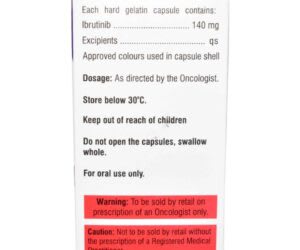
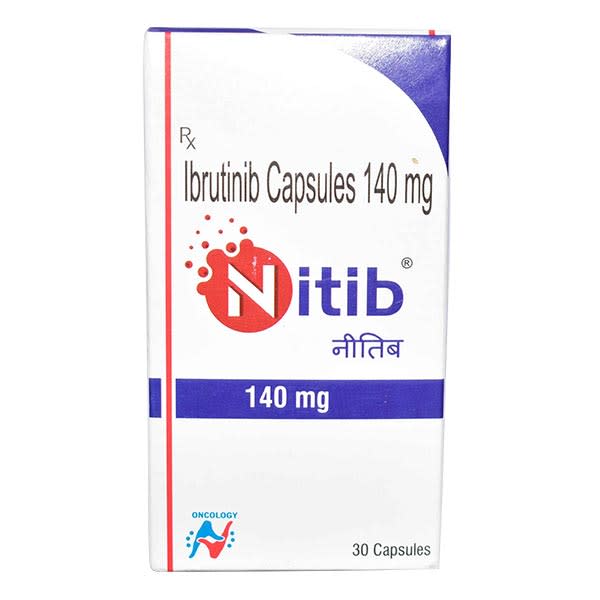
Nitib 140mg Capsule
Composition: Ibrutinib (140mg) • Ibrutinib (140mg)
People still mention the Nitib 140mg Capsule when talking about blood cancer treatments. It helps with mantle cell lymphoma. That is a kind of blood cancer that affects the body in serious ways. Doctors also use it for chronic lymphocytic leukemia. This applies to patients who already tried at least one other therapy before. The capsule targets certain proteins in the cancer cells. Those proteins help the cells grow and stay alive. By blocking them, the drug manages the disease better. It even improves results for folks dealing with these blood cancers.
Inclusive of all taxes
30 CAPSULE(s) IN A BOTTLE
Ibrutinib (140mg)
Hetero Healthcare Ltd
Store below 30°C
Nitib 140mg Capsule – Description
People often turn to Nitib 140mg Capsule for handling specific kinds of cancer. It treats mantle-cell lymphoma. That is a type of blood cancer. It also helps with chronic lymphocytic leukemia. Doctors call it CLL. This works best for patients who have gone through at least one earlier treatment. The capsule targets certain proteins. Those proteins play a role in how cancer cells grow and survive. In that way, it slows down the spread of these diseases.
Safety Advice: Clinical medicines should only be consumed as advised by registered healthcare practitioners. Never exceed standard doses.
Benefits of Nitib 140mg Capsule
The Nitib 140mg Capsule serves as a Brutons tyrosine kinase inhibitor, or BTK inhibitor for short. It blocks the function of that faulty BTK protein, the one that signals cancer cells to keep dividing and growing. In doing so, Nitib manages to halt or at least slow the expansion and spread of those cancer cells. This proves especially useful for treating mantle cell lymphoma and chronic lymphocytic leukemia, or CLL. Overall, it makes handling these types of cancer a little more straightforward.
How to use Nitib 140mg Capsule
Follow your doctor's exact instructions for this medication. Take it in the dose they recommend and for the full time they specify.
Side effects of Nitib 140mg Capsule
- Most side effects from Nitib 140mg Capsule really do not call for medical attention. They tend to fade as your body gets adjusted to the medicine. Still, if something lingers or starts bothering you a lot, it makes sense to check in with your doctor.
- Common side effects with Nitib include headache and joint pain.
- You might also get fever, diarrhea, or vomiting.
- Stomatitis shows up as inflammation in the mouth.
- Nausea and constipation can happen too.
- Low blood platelets are another one.
- White blood cell counts drop, especially neutrophils.
- Upper respiratory tract infections occur as well.
- If any of these feel severe or just will not go away, you need to get medical advice right away.
Patient Reviews & Ratings
Loading reviews...
Review Locked
Only verified buyers who have purchased and received this product from Onco Life India can leave feedback reviews.
Similar Products
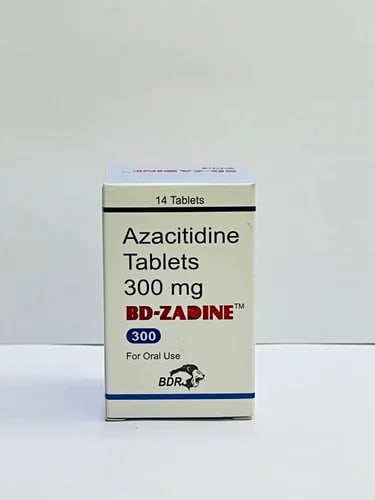
BDZadine 300mg Tablet
Doctors often prescribe BD-Zadine 300 Tablet to handle specific kinds of blood cancers. This medication targets grown-up patients dealing with every variety of Myelodysplastic Syndrome, or MDS for short. That is a disorder where the bone marrow fails to generate sufficient healthy blood cells.
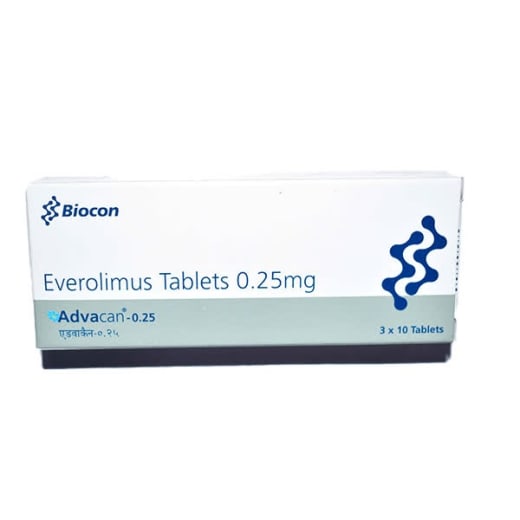
Advacan 0.25mg Tablet
Advacan 0.25mg Tablet helps prevent organ rejection for people who have had transplants. It does this by controlling the body's immune response in a way that lets the new organ get accepted without much trouble. On top of that, doctors often give it along with other drugs to handle cancers in the breast, pancreas, lungs, or kidneys.

Evermil 5mg Tablet
Evermil 5 Tablet helps prevent organ rejection for patients who have had transplants. It does this by keeping the immune system in check. Doctors also prescribe it along with other medications to handle cancers in the breast, pancreas, lungs, and kidneys.

I-Dox 20mg Injection
I-Dox Injection helps treat a range of cancers. These involve the blood, breast, lungs, ovaries, and soft tissues in particular. Doctors often give it by itself for some cases. They also combine it with other drugs now and then. That setup forms part of combination chemotherapy.